
If we ignore stigma, are we really communicating effectively in HIV?
 Kate Higgins / 11 November 2026
Yesterday, we explored judgement: how stigma can shape perceptions of people experiencing opioid dependence and their treatment. Today, we turn to identity, and what happens when stigma becomes associated not simply with a condition or treatment, but with how someone is fundamentally perceived by society.
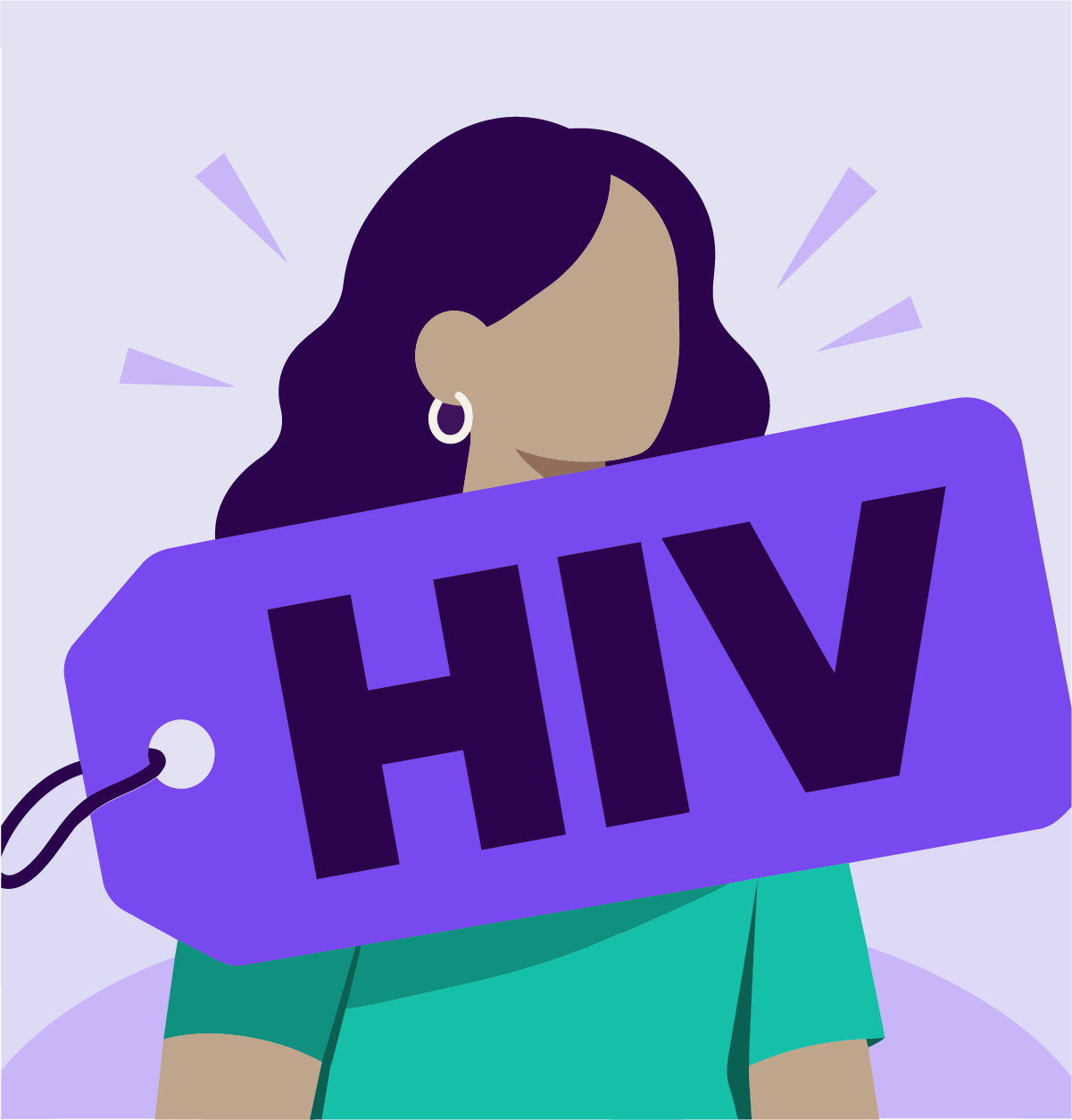
Few areas demonstrate the persistence of stigma quite like HIV. The science and lived reality of HIV have transformed dramatically over recent decades, yet some of the social narratives surrounding it have proved much harder to shift. Indeed, HIV may be one of the clearest examples of social understanding failing to keep pace with scientific progress.
And that scientific progress has transformed what living with HIV means today. Treatments for HIV are now so effective that, if adhered to, the virus in the blood can be reduced to a level that is undetectable. U=U (undetectable = untransmittable) means a person maintaining an undetectable viral load has zero risk of sexually transmitting HIV. Yet last year, UNAIDS reported that awareness of U=U had not yet reached the wider public, or even everyone living with HIV.¹ Their feature stories highlighted examples such as someone living with HIV whose family still made him eat using separate utensils, someone attending dental care who arrived first but was deliberately treated last, and a pregnant woman living with HIV being questioned by nurses about why she had become pregnant.²,³
These social perceptions don’t stop at the clinic door. They inevitably shape how people living with HIV (PLWHIV) experience healthcare too – through the assumptions of others, but also the expectations and fears they may carry into those interactions themselves.
For some PLWHIV, fear of judgement can be enough to delay or avoid seeking healthcare. For others, a previous experience of stigma within a healthcare setting can influence whether they return, what they disclose and how much they trust the system.
The impact can be significant. A 2024 UNAIDS report, carried out across 25 countries, stated that 25% [of PLWHIV] reported experiencing stigma or discrimination when seeking non-HIV-related healthcare, including 12% who reported being denied non-HIV-related healthcare completely. This stigma can take many forms, including social rejection, verbal abuse, breaches of confidentiality, excessive precautions, poor support, unnecessary referrals and delayed or even denied healthcare services.⁴
These experiences don’t necessarily arise from deliberate discrimination; stigma can also be embedded in assumptions, behaviors and healthcare interactions
When stigma becomes attached to a diagnosis in this way, HIV can become more than something a person lives with: it can influence how they believe others see them and, over time, perhaps even how they see themselves. This sits in stark contrast to what decades of scientific progress are increasingly enabling: for HIV to be a manageable part of someone’s life, rather than something that defines it, and them.
Through this influence, stigma can become a barrier to people fully benefiting from the very advances science has made possible.
For those working to improve HIV care, this creates an important challenge. We can invest in scientifically robust education and carefully developed communications, but if stigma is shaping whether someone seeks care, what they disclose, how they engage with treatment, or the attitudes and behaviors of the healthcare professionals (HCPs) supporting them, information alone may not be enough.
Stigma cannot be an afterthought. It needs to be understood as a potential behavioral barrier from the start.
What if the barrier to engagement is not the data, the message, or the channel, but the experience surrounding it?
To address this, we need to look beyond what patients think and feel, to try and understand how stigma drives both patient and HCP behavior and how one behavior influences another.
That means asking different questions: where is stigma showing up in the patient and HCP experience? What is driving it? How does it affect key behaviors? And, critically, what could we do differently as a result?
If we’re not designing for the reality of stigma in HIV, we may not be designing for reality at all. Through our Shared Health philosophy, PX+CX explores how persistent social narratives shape patient and HCP experiences, and how we can design communications that address the barriers to meaningful engagement.
Which social narratives might still be shaping how your HIV communications are received?
Talk to PX+CX about where stigma might be influencing your work, and where designing differently could make a difference.
References
¹UNAIDS. U=U can help end HIV stigma and discrimination. Here’s how. Accessed November 2026
²UNAIDS. Despite progress, HIV stigma and discrimination continue to bubble beneath the surface in Thailand. Accessed November 2026
³UNAIDS. HIV and AIDS stigma and discrimination. Accessed November 2026
⁴Feyissa GT, et al. PLoS One. 2019;14(1):e0211298
View more Inizio Engage insights.
Jump to a slide with the slide dots.
 Emma Hargreaves
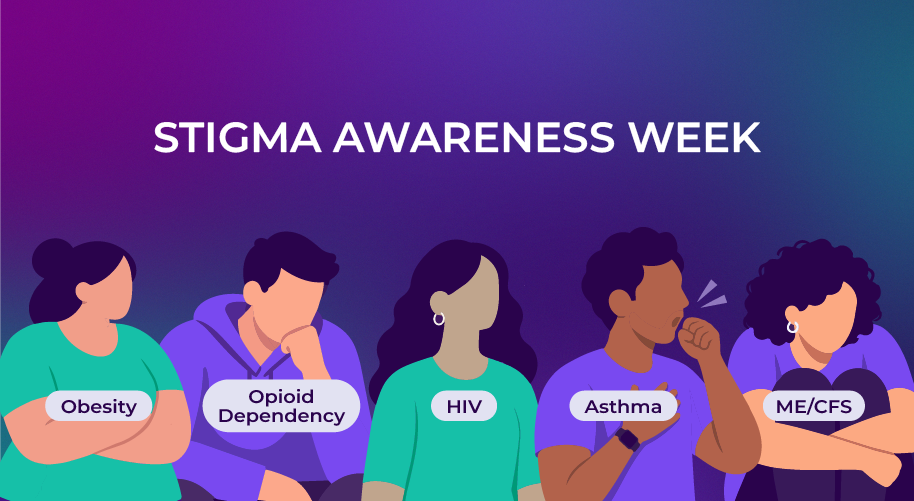
Where does stigma show up in healthcare, and what changes when we recognize it?
Inizio Engage XD explores how stigma shows up across healthcare, how it can influence patient and HCP behavior, and why recognizing it is essential..
Read more Emma Hargreaves
Are we reinforcing the blame we’re trying to overcome?
Explore how obesity stigma and weight bias can shape healthcare experiences, treatment engagement and patient behavior, and why communications...
Read more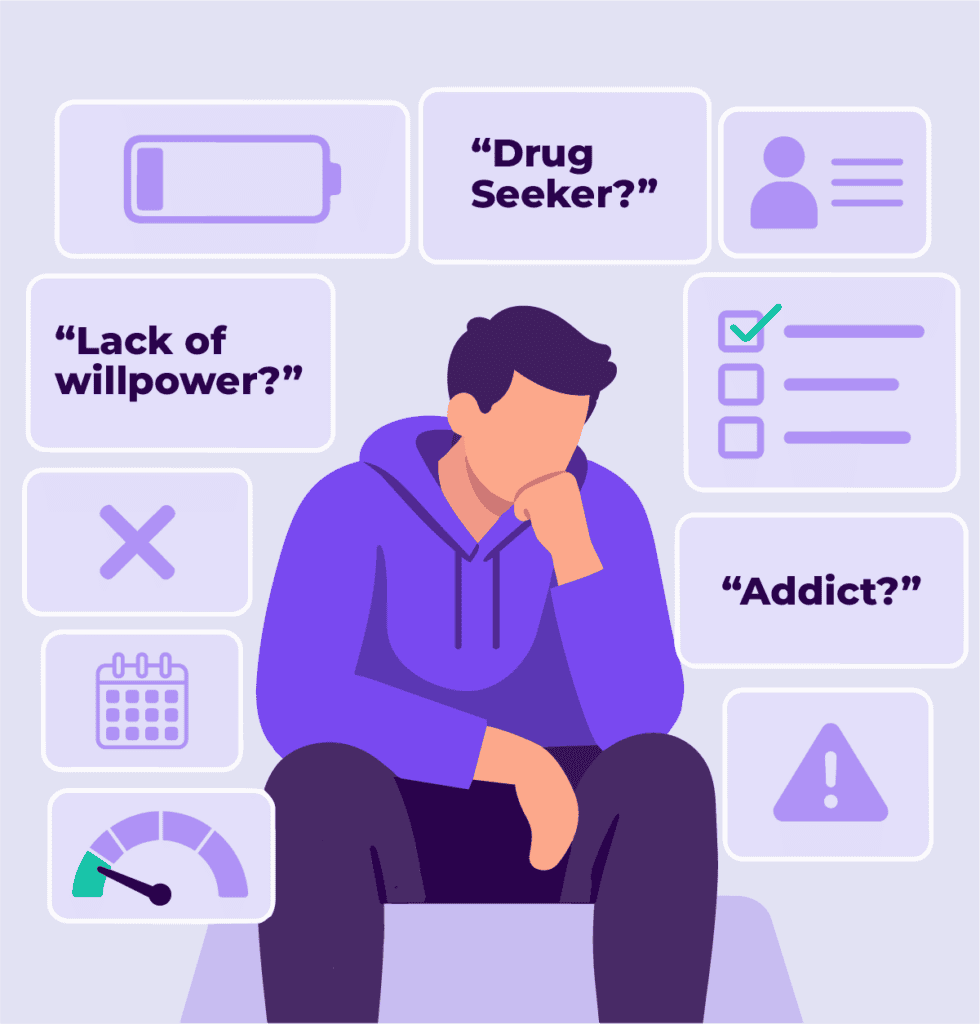
 Jamie Pedlar
Recovery without judgement: are we there yet?
Explore how stigma, mistrust and judgement can shape opioid dependence treatment, patient engagement and recovery, and why trust must be part of the..
Read more